
Can You Hunt Deer With a Bow? A Beginner's Guide
Yes, you can hunt deer with a bow. Learn the legal basics, which bows work, how hard it is, effective range, gear, shot placement and a first-season plan.

By Archery Insider Editorial Team
· 13 min read
In this article
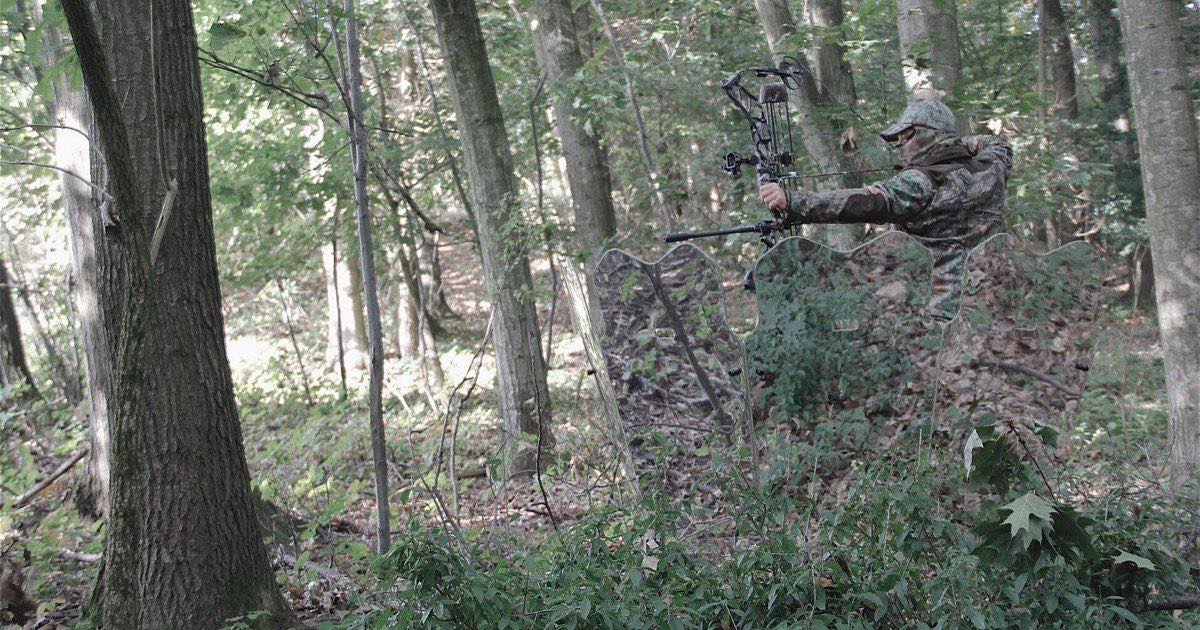
Yes, you can hunt deer with a bow. Bows are legal deer-hunting equipment across North America, and most U.S. states run a dedicated archery season that gives bowhunters weeks of hunting before the firearms seasons open. Compound bows, recurves, longbows and, in many places, crossbows are all used to take whitetails and mule deer every year.
What a bow asks of you is different from a rifle. You need to get close, often inside 30 yards, stay unseen while you draw, and place one arrow precisely. This guide explains the legal basics, which bows work, how hard bowhunting really is, the gear you need and a realistic plan for your first season.
The quick answer
| Question | Short answer |
|---|---|
| Is it legal? | Yes, bows are legal deer-hunting equipment across the U.S.; check your state's equipment rules and season dates |
| Which bow? | Compound, recurve, longbow, or a crossbow where allowed |
| Minimum draw weight? | Set by state law if at all; 40 lb or more is a common recommendation |
| How close? | Typically 15 to 30 yards; the average maximum effective range is about 30 yards |
| Is it hard? | Harder than rifle hunting; success depends on close range, stealth and practice |
| Do I need a course? | In some states, yes; a bowhunter course is worth taking anywhere |
Is it legal where you live?
Every state and province writes its own bowhunting rules, so the first job is to read your current regulations booklet or wildlife agency website. The rules usually cover:
- Draw weight. Some states set a minimum. Minnesota, for example, requires a bow with "a pull no less than 30 pounds at or before full draw." Others, such as Missouri, set no minimum but recommend 40 pounds or more.
- Broadheads. Many states specify cutting edges and size. Minnesota requires at least two metal cutting edges, a barbless design and a cutting diameter of at least 7/8 inch, with limits on expandable heads.
- Bowhunter education. The national bowhunter education program lists Alaska, Connecticut, Idaho, Maine, Montana, Nebraska, New Hampshire, New Jersey, New York, Rhode Island and Vermont, plus several Canadian provinces, as places where a separate bowhunter course is required.
- Crossbows. Some states allow crossbows for everyone during archery season, others only for certain hunters or dates.
- Seasons, tags and clothing. Dates, bag limits, tag rules and blaze orange requirements during overlapping firearms seasons all vary.
Which bows can you use?
| Bow | Why hunters choose it | Things to know |
|---|---|---|
| Compound bow | Let-off makes holding at full draw easier; sights and release aids aid accuracy | The most popular choice; needs setup and tuning |
| Recurve or longbow | Simple, quiet, light; a traditional challenge | Most hunters keep shots shorter; needs more practice to be consistent |
| Crossbow | Cocked in advance, scoped, easy to learn | Legal status varies; heavier and bulkier to carry |
Our comparisons cover the trade-offs in depth: compound vs recurve, crossbow vs compound and longbow vs recurve.
How hard is deer hunting with a bow?
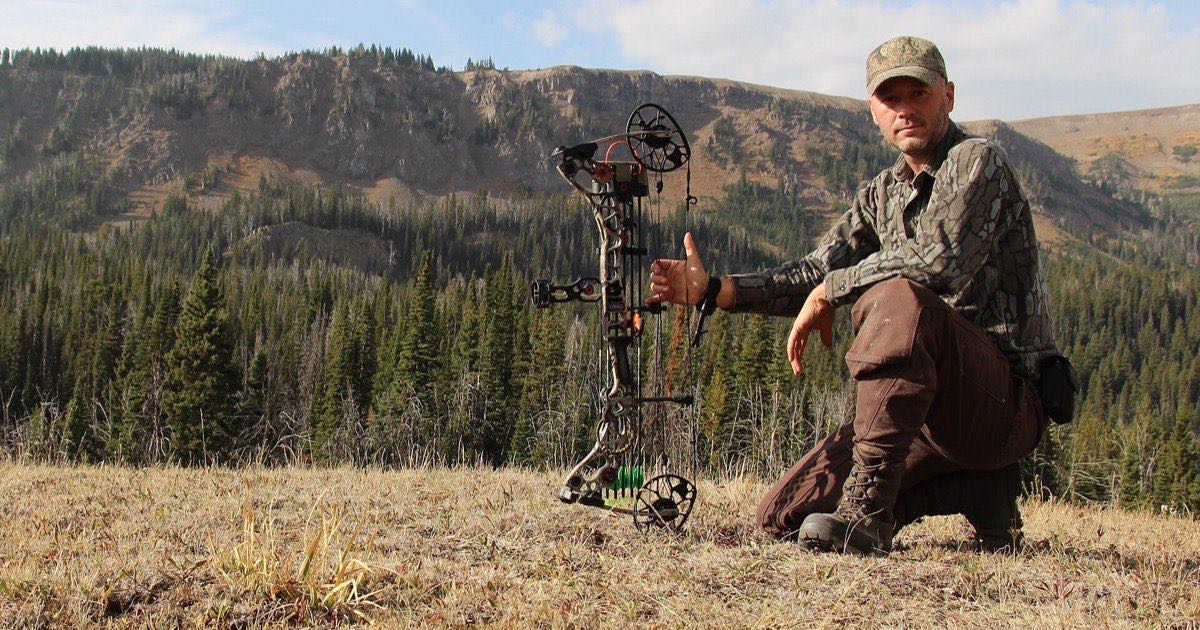
Honestly, harder than hunting with a rifle. A rifle hunter can take a deer at 150 yards. A bowhunter usually needs the deer inside 30 yards, unaware, and standing at the right angle. Three things make it challenging:
- Getting close. Deer have an excellent sense of smell and hearing and notice movement quickly. Bowhunters spend a lot of time on wind direction, scent control, quiet access to stands, and staying still.
- Drawing undetected. Drawing a bow is a big movement. You have to draw when the deer's head is behind a tree or turned away, then hold steady.
- One precise shot. An arrow kills by cutting vital organs, so placement matters more than with a bullet. A clean, double-lung hit is the goal on every shot.
The reward is a longer season, quieter woods and a much closer encounter with deer. Many hunters say it is the most exciting way to hunt.
How close do you need to be?
The official bowhunter education course notes that "although the average hunter has a maximum effective range of 30 yards, most bowhunters shoot game from a much closer range." It also explains why longer shots wound more deer: it is harder to hit the vitals, unseen branches can deflect the arrow, and the longer the arrow is in the air, the more time the deer has to move.
Your personal effective range is the distance at which you can put every arrow into a vital-sized target from a hunting position, on the first shot of the day, without warming up. For many new bowhunters that is 20 to 25 yards.
Where to hunt from: stand, blind or ground
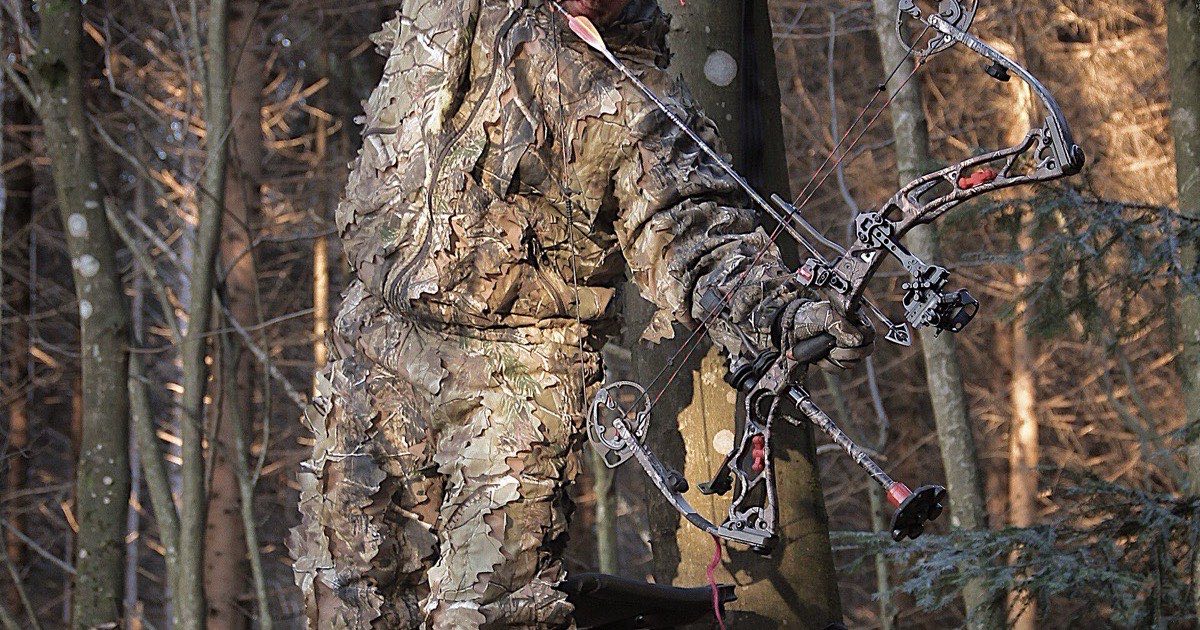
- Tree stands lift you above a deer's eye level and help keep your scent above the animal. Always use a full-body safety harness connected to the tree from the moment you leave the ground until you are back down.
- Ground blinds hide movement and are good for new hunters, children and anyone uncomfortable with height. Practice drawing and shooting while seated.
- Still-hunting or spot-and-stalk works better in open western country for mule deer than in thick whitetail woods.
Missouri's conservation department recommends practicing "from an elevated platform or a seated position to simulate the type of hunting you will be doing." Your form changes when you are sitting or shooting downhill, so practice exactly how you will hunt.
When to hunt
Archery seasons in many states open weeks before firearms seasons and run longer, often from September or October through December or January. Deer are less pressured early in the season, and the rut in late October and November brings bucks moving during daylight. Check your state's season dates and any zones with different rules.
Scouting for bowhunting
Because you need deer within 30 yards, scouting matters more for bowhunters than for rifle hunters. The goal is to find where deer move during daylight and set up within bow range of that movement.
- Food sources. Early in the season deer focus on crops, acorns and other food. Fresh droppings, tracks and browsed plants show what they are eating now.
- Bedding areas. Thick cover, overgrown fields and ridges where deer rest during the day. Avoid walking through them; you will push deer out.
- Travel routes. Trails between bedding and food, especially where terrain funnels movement: creek crossings, fence gaps, saddles in ridges and edges of thick cover.
- Buck sign. Rubs on saplings and scrapes on the ground appear before and during the rut and show where bucks are travelling.
- Trail cameras. Cameras show the time of day deer use a spot. Daylight photos are what matter for hunting.
Pick stand or blind sites on the downwind side of the trail, with a clear shooting lane at a distance you can make, and plan a quiet route in and out that does not cross the deer's path.
Wind, scent and stealth
A deer's nose is its best defence. Most experienced bowhunters treat the wind as the single most important factor in choosing where to sit.
- Hunt with the wind in your face or blowing across your position, never toward where deer are likely to come from.
- Have stands for different winds, so you can choose the right one each day.
- Reduce your scent: clean clothes stored away from household smells, rubber boots, and avoiding sweating on the walk in.
- Move slowly and quietly, and get into position well before deer start moving at dawn or dusk.
- Stay still. Deer pick up movement quickly. Keep the bow in a position where you can draw with minimal motion.
Crossbows for deer
Crossbows are legal for deer during archery season in many states, sometimes for everyone and sometimes only for certain hunters or dates. They are cocked in advance, usually fitted with a scope, and easier to shoot accurately with less practice. They are heavier and bulkier to carry and slower to reload. Effective range is still limited by bolt drop, deer reaction and your skill, so the same rules about distance and shot angle apply. Our crossbow scope guide explains how to sight one in.
Hunting with a recurve or longbow
Traditional bowhunting is a rewarding challenge. Recurves and longbows are quiet and light, but they launch arrows more slowly than compounds and are usually aimed instinctively or with gaps, so most traditional hunters keep shots short, often inside 20 yards. Heavier arrows and razor-sharp fixed-blade broadheads are popular choices. Practise from your hunting positions until you can hit a vital-sized target consistently, and expect to need more patience to get deer close enough.
Public land or private land?
Bowhunters hunt both. Public land, such as state wildlife areas and national forests, is open to anyone with the right licence, but can be busy, especially on weekends and opening days. Hunting farther from parking areas, on weekdays, or in thick cover others avoid can help. Private land needs permission from the landowner, which often comes from asking politely, offering help and respecting the property. Some areas, including parks and suburbs, open special archery-only hunts to manage deer numbers. Whichever you hunt, know the boundaries and rules.
Bowhunting during the rut
The rut, the breeding season, usually peaks around late October and November for whitetails in much of the U.S., though timing varies by region. Bucks travel more during daylight looking for does, which gives bowhunters their best chance at a mature deer. Hunting near doe bedding areas and the travel routes between them, and staying on stand longer during the middle of the day, can pay off. Bucks are less cautious during the rut, but does still notice movement and scent.
The gear you need
| Item | Why it matters |
|---|---|
| Bow at a suitable draw weight and correct draw length | Accuracy and enough energy; see our draw length guide |
| Arrows matched to the bow | The right spine, length and weight for clean flight; see how to choose arrows |
| Sharp, legal broadheads | Kill by cutting; practice with them before the season. Compare fixed-blade and mechanical heads |
| Release aid or finger tab | Consistent release |
| Sight (compound) | Accurate aim at known distances; see single-pin vs multi-pin |
| Rangefinder | Knowing the exact distance prevents misses |
| Quiver, safety harness, knife, tags, headlamp | Practical and often legally required |
| Blaze orange where required | Required in some states during overlapping firearms seasons |
Where to aim
Aim for the heart and lungs, just behind the front shoulder. The National Deer Association suggests aiming "straight up the leg" on a broadside deer, roughly halfway up the chest or a little lower, which puts the arrow "at the top of the heart and through both lungs."
The best shot angles are broadside and quartering away. The bowhunter education course says the quartering-toward angle "offers a poor shot opportunity and should not be taken," because heavy shoulder bones shield the vitals. Never shoot at a running deer, and pass on any shot you are not confident about. Our shot placement guide covers every angle with a diagram.
After the shot
Watch the deer as long as you can, listen, and mark exactly where it stood and where you last saw it. Then wait before following the trail. How long depends on where you think you hit: a confident heart or lung hit needs a shorter wait than a hit too far back. Recovery is part of the responsibility of bowhunting, so plan it before you ever take a shot.
Ethics and fair chase
Bowhunting carries extra responsibility because an arrow kills by cutting, not shock. Ethical bowhunters:
- take only shots they are confident of making, at distances they have practised;
- wait for broadside or quartering-away angles;
- make every effort to recover hit animals;
- respect landowners, other hunters and the law;
- use the meat and share the experience responsibly.
Many bowhunters say the restraint to pass on a shot is the most important skill they ever learned.
A first-season plan
- Read the regulations and complete any required bowhunter course.
- Get fitted at an archery shop. Draw length and a comfortable draw weight come first; our draw weight guide explains what you need.
- Practice regularly through the summer, then practice from your stand or blind height. Our practice plan has drills.
- Sight in with broadheads and confirm they hit with your field points.
- Scout for food sources, trails and bedding areas, and pick stand sites for different wind directions.
- Set a maximum distance before the season and stick to it.
- Plan the recovery. Know how you will mark the spot, wait, track and get the deer out.
Common beginner mistakes
- Too much draw weight. Struggling to draw leads to big, deer-spooking movements and poor shots. Choose a weight you can draw smoothly while seated and cold.
- Practicing only standing on flat ground. Your anchor and form change from a stand or a chair. Practice the exact positions you will hunt from.
- Never shooting broadheads before the season. Broadheads can hit somewhere different from field points. Confirm your setup before opening day.
- Guessing distance. Range landmarks around your stand when you arrive, so you are not guessing when a deer appears.
- Taking a marginal shot. A quartering-toward or partly hidden deer is a reason to wait, not to shoot. A better angle often comes a few seconds later.
- Rushing the recovery. Pushing a hit deer too soon can turn a short track into a lost animal. Mark the spot and wait.
Bowhunting deer
Advantages
- Longer seasons, often opening weeks before firearms seasons
- Quieter, less crowded woods
- Close, memorable encounters with deer
- Builds hunting skill: wind, stealth, patience
Trade-offs
- Short effective range demands getting close
- Requires lots of practice and good shot discipline
- Equipment setup and tuning take time
- Tracking can be harder after a marginal hit
You can browse hunting compound bows or bowhunting accessories on Amazon. Check draw length, draw weight range and your state's rules before buying.
Frequently asked questions
Can you hunt deer with a recurve bow?
Yes. Recurves and longbows take deer every season. Most traditional hunters keep shots short and choose a heavier draw weight and heavier arrows to make up for lower arrow speed.
What is the minimum draw weight to hunt deer?
It depends on the state. Minnesota requires at least 30 pounds; Missouri has no minimum but recommends 40 pounds or more. See our draw weight guide.
How far can you shoot a deer with a bow?
Bowhunter education puts the average maximum effective range at about 30 yards. Your limit is the distance at which you can reliably hit a vital-sized target from a hunting position.
Can you hunt deer with a bow during gun season?
Often yes, if you hold the right license, but you may need to wear blaze orange. Check your state's rules on overlapping seasons.
Do I need a hunting license to bowhunt?
Yes. You need the appropriate hunting license and deer tags, and in some states a bowhunter education certificate.
What is the best bow for a beginner deer hunter?
Usually an adjustable compound bow fitted to your draw length and set to a draw weight you can pull smoothly, from an archery shop that can set it up and teach you to use it. Recurves and crossbows also work if they suit you and are legal where you hunt.
When is archery season for deer?
It depends on the state and zone. Many archery seasons open in September or October and run into December or January, often weeks before and after the firearms seasons. Check your state's dates.
How much practice do I need before bowhunting?
Enough to hit a vital-sized target every time at your chosen distance, from your hunting position, with the first arrow of the day. Most new bowhunters practise regularly for several months before the season.
Can I bowhunt deer from the ground without a stand?
Yes. Ground blinds hide your movement well, and many hunters take deer from the ground every season. Practise drawing and shooting while seated or kneeling, keep shots close, and set up downwind of trails and feeding areas.
Related articles
 Guides
What Draw Weight Do You Need for Deer Hunting?
How much draw weight do you need for deer? Legal minimums, why arrow energy matters, compound vs traditional bows, elk, and choosing a weight you can shoot.
October 5, 2026 · 10 min read
 Comparisons
Fixed-Blade vs Mechanical Broadheads: Pros, Cons and Rules
Fixed-blade vs mechanical broadheads compared: flight, tuning, cutting diameter, energy needs, durability, hybrid designs, regulations and which suits your bow.
Updated October 9, 2026 · 6 min read
 Comparisons
Crossbow vs Compound Bow: Which Is Better for You?
Crossbow vs compound bow compared: how each works, speed and energy, weight, holding and follow-up shots, accuracy, learning curve, hunting rules and costs.
August 12, 2026 · 5 min read