
Single-Pin vs Multi-Pin Bow Sights: Which Should You Choose?
Single-pin vs multi-pin bow sights compared: fixed pins vs sliders, speed in the field, long-range precision, low light, gap shooting, hybrids and scopes.

By Archery Insider Editorial Team
· 5 min read
Research-based: built from maker specs and official sources, fact-checked before publishing. How we review products

In this article
The sight is where everything you do at full draw comes together. On a compound bow, the two main choices are a multi-pin sight, with several fixed pins each set for a distance, and a single-pin sight, with one pin that slides up and down on a dial. Each has passionate supporters, and each suits different hunting and shooting.
This comparison explains how they work, where each shines, the hybrid options, and how target archers approach sights differently.
The quick answer
| If you mostly... | Lean towards |
|---|---|
| Hunt whitetails from a tree stand, shots under about 40 yards | Multi-pin |
| Hunt open country with ranged, longer shots | Single-pin slider |
| Want both close-range speed and long-range precision | Multi-pin slider |
| Shoot 3D or field courses at unmarked distances | Single-pin slider |
| Shoot target compound | Single-pin scope with magnification |
How they work
Multi-pin sights
Each pin is set for a distance, typically 20, 30, 40, 50 and 60 yards. To shoot, you pick the pin for the distance and aim. For in-between distances you gap shoot, holding between two pins. Sights such as the Trophy Ridge React Pro even set the longer pins automatically once the first two are sighted in.
Single-pin sights
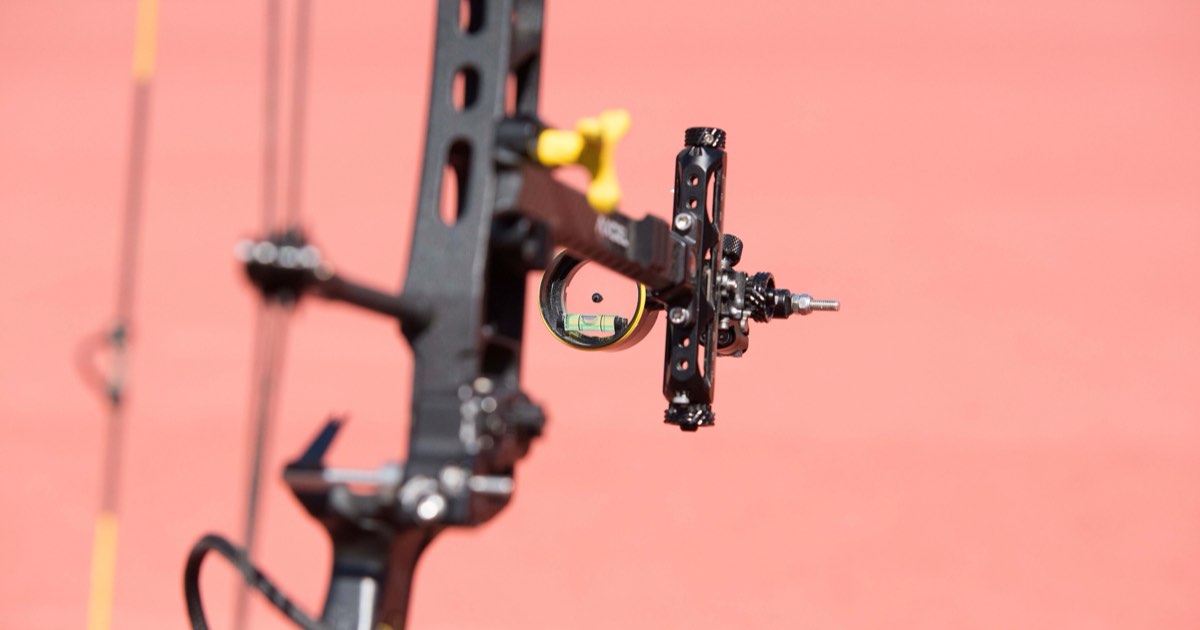
One pin sits on a movable bracket controlled by a dial with a yardage tape. You range the target, dial the distance, and aim with the single pin. The sight picture has only one pin, and the aiming point is exact for any distance on the tape.
Multi-pin sliders
These carry two or three fixed pins on a sliding bracket. You leave the sight at a default setting for close shots and use the slider for long shots. They are a popular compromise for hunters who see both situations.
Side-by-side comparison
| Multi-pin (fixed) | Single-pin (slider) | |
|---|---|---|
| Adjustment before the shot | None; pick a pin | Dial the distance |
| Sight picture | Several pins in the housing | One pin, uncluttered |
| Long-range precision | Gap shooting between pins | Exact for any dialled distance |
| Speed if game moves | Fast; switch pins at full draw | Slow; may need to let down and re-dial |
| Low light | Several lit pins can glare | One pin, easier to see |
| Moving parts | None in use | Slider and dial |
| Learning curve | Learn which pin is which | Learn to range and dial every shot |
Where each shines
In a tree stand
Shots are usually close and animals move. If a deer steps from 20 to 30 yards, a multi-pin user switches pins at full draw. A single-pin user may need to let down and re-dial, which takes time and movement. That is why multi-pin sights dominate whitetail hunting.
In open country
Spot-and-stalk hunters usually range the animal and have time to set up. A single pin dialled to the exact distance gives the cleanest sight picture and precise aim at longer ranges, with no clutter from other pins.
On 3D and field courses
Distances are often unmarked and vary target to target. Archers who estimate or range the distance and dial it in favour single-pin sliders.

Pin size and low light
Pin diameter affects both brightness and precision. Common sizes are .010, .019 and .029 inch. Larger pins are brighter and easier to see at dawn and dusk; smaller pins cover less of a distant target. Multi-pin sights with several lit pins can produce glare in low light, so many have a rheostat light or dimmer. Check your local regulations on lighted sights before hunting.
Target archery sights
Target archers approach sights differently:
- Target compound: a single aiming point in a magnifying scope, on a precise slider, with a peep sight in the string and a level. Our compound vs recurve comparison covers the set-up.
- Olympic recurve: a simple aperture or pin with no magnification, on a sight bar adjustable for distance.
Neither uses multiple fixed pins.
Getting the most from either
- Install a peep sight at a height that suits your natural anchor (compound).
- Level the sight and set the third axis if you shoot at steep angles.
- Sight in every pin or every tape mark by shooting, not by guesswork.
- Practise ranging and choosing pins under realistic conditions. Our practice plan includes distance-ladder drills.
- Re-check sight marks whenever you change arrows, draw weight or strings.
Multi-pin sights
Advantages
- No adjustment needed at full draw
- Fast if the animal moves
- No moving parts in use
- The default for treestand hunting
Trade-offs
- Cluttered sight picture at long range
- Gap shooting between pins takes practice
- Several lit pins can glare in low light
- Fixed distances may not match the shot
Single-pin sights
Advantages
- One clean pin; exact aim at any dialled distance
- Excellent for long, ranged shots
- Easier to see one pin in low light
- Suits 3D, field and open-country hunting
Trade-offs
- Must be dialled before the shot
- Slow to adjust if game moves
- Slider can be bumped out of position
- Demands accurate ranging
You can browse multi-pin sights or single-pin slider sights on Amazon. Check hand, pin size and mounting before ordering.
Frequently asked questions
How many pins should a bow sight have?
Three to five pins suit most hunters. Seven-pin sights cover longer distances but crowd the sight picture.
Is a single-pin sight more accurate?
It is more precise at exact distances because you dial the yardage. In fast, close situations, a multi-pin sight is often more practical.
What pin size should I choose?
.019 inch is a popular all-round choice for hunting. Choose .010 for more precision at distance in good light, or .029 for maximum brightness.
Can I use a hunting sight for target archery?
You can practise with it, but target archers usually use a single-pin scope with a precise slider for competition.
Related articles
 Reviews
Trophy Ridge React Pro Review: The 5-Pin Sight That Sets Its Own Pins
Trophy Ridge React Pro bow sight review: React Technology pin setting, .019 and .010 pins, tool-less micro-click adjustments, third axis and who it suits.
September 3, 2025 · 6 min read
 Comparisons
Crossbow vs Compound Bow: Which Is Better for You?
Crossbow vs compound bow compared: how each works, speed and energy, weight, holding and follow-up shots, accuracy, learning curve, hunting rules and costs.
August 12, 2026 · 5 min read
 Training
Archery Practice Plan: 10 Drills and a Weekly Routine
A structured archery practice plan: arrows per session, warm-ups, 10 proven drills from blank bale to pressure games, weekly routines and a practice log.
March 20, 2025 · 7 min read