
What Type of Bow Is Best for Beginners?
What's the best bow for beginners? Choose by goal: a light takedown recurve for most learners, a compound for hunting. Plus why fit matters more than type.
By Archery Insider Editorial Team
· · 5 min read

In this article
The best bow for beginners depends on what you want to do with it. For target shooting or general learning, a light takedown recurve is the usual starting point; for bowhunting, a compound often makes more sense. Either way, getting draw weight, draw length and handedness right matters more than the type.
Quick decision table by goal
| Your goal | Usual starting bow | Why |
|---|---|---|
| Club target shooting, Olympic style | Light takedown recurve | The style many beginners' courses teach; limbs can be upgraded later |
| Bowhunting | Adjustable compound | Let-off reduces holding weight; sights and release aids are standard |
| Backyard fun, traditional feel | Simple recurve or longbow | Few parts, easy to string and look after |
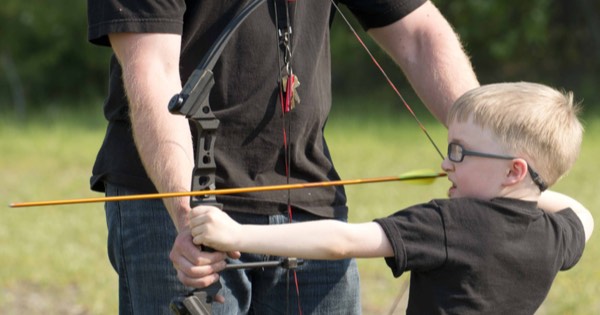
| Children | Youth bow sized to the child | Draw length and weight must match the child, not the parent |
| Not sure yet | Club bows on a beginners' course | Try several types before spending anything |
Buying for a child? Youth bows are a separate topic, covered in our child-bow sizing guide in the related reading below.
Why many clubs start beginners on a recurve
World Archery notes that recurve "has been the bowstyle used at the Olympic Games since archery's reintroduction to the programme in 1972," so it is the style many clubs are set up to teach.
Club courses often reflect that. Wyke Archers, a UK club, says its beginners' course "covers basic archery instruction using Olympic style recurve bows," with all equipment provided. A takedown recurve has few parts and lets you swap to heavier limbs as you get stronger.
A common coaching view is that a recurve teaches fundamentals because nothing mechanical holds the weight: posture, anchor and release all show in your groups. World Archery is honest about the trade-off: "It is fairly easy to shoot a recurve bow well, but achieving quality results consistently requires practice."
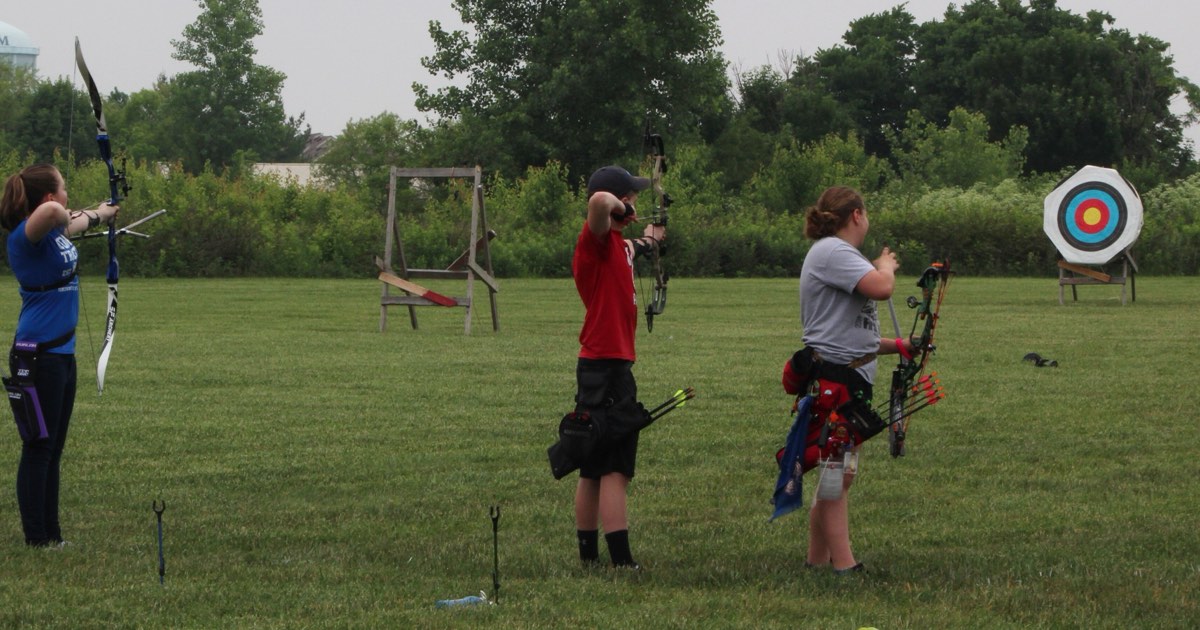
Our guide to choosing your first recurve bow covers fittings, bow length and draw weight.
When a compound makes sense
The opposite view is just as common: a compound is the quicker route to accuracy. Archery 360 says "most archers find it faster and easier to achieve accuracy with compound bows than with recurve bows." Its cams provide let-off, which Archery 360 says "goes as high as 90%", so you hold only a fraction of the peak weight at full draw.
A compound is usually the practical choice if:
- You plan to bowhunt. Archery 360 notes that "compound-bow hunters commonly shoot 50- to 70-pound draw weights" but may hold only 5 to 10 lb at full draw thanks to let-off. Check your state's equipment rules.
- You want sights and a release aid from day one. Archery 360 says compounds are shot with mechanical release aids.
- You want one bow to grow with. Some beginner compounds offer a very wide adjustment range for draw length and weight, such as the bow in our Bear Cruzer G3 review.
The downsides: more parts to adjust, and string work generally needs a bow press. Our compound vs recurve comparison has the details.
Fit matters more than type
Whichever bow you pick, three checks matter most:
- Draw weight. Start light. A bow that is too heavy makes good form much harder.
- Draw length. It decides your bow's real draw weight, the length of your arrows and, on a compound, how the cams must be set.
- Dominant eye. Your bow's handedness should usually follow your dominant eye, which is not always on the same side as your dominant hand.
Wyke Archers also advises beginners to "resist the temptation to buy your own equipment straight away," warning that it is "very easy to buy the wrong kit without guidance."
If you have tried club bows and want your own recurve, you can browse beginner takedown recurve bows on Amazon. One example to consider is the Samick Sage, which we cover in our Samick Sage review. Check draw weight and length before ordering.
Frequently asked questions
What's the best bow for a beginner?
There is no single best bow. For general learning and club target shooting, a light takedown recurve is the usual start; for bowhunting, an adjustable compound is more common. In every case, a controllable draw weight, the right draw length and the correct hand for your dominant eye matter more than brand or style.
What is the best bow and arrow for beginners?
Look for a bow that fits your draw length with a light draw weight, plus arrows matched to that bow and long enough for your draw. Ask a club or shop to check the match before buying, or shoot club equipment for a few sessions first and buy once you know what suits you.
Is a compound bow easier for beginners than a recurve?
Opinions differ. Archery 360 says most archers reach accuracy faster with a compound, which adds let-off, sights and a release aid. Many coaches prefer starting on a recurve because it exposes form faults clearly. Both views are reasonable, so pick by your goal and try each at a club if you can.
Related articles
 Guides
How to Choose Your First Recurve Bow: A Beginner's Guide
How to choose a first recurve bow: takedown vs one-piece, draw weight, bow length for your draw length, riser types, eye dominance, and essential accessories.
Updated February 6, 2025 · 11 min read
 Guides
How to Choose a Bow for a Child: Sizing, Draw Weight and Safety
How to choose a bow for a child: when to start, recurve vs youth compound, draw weight and bow length by size, matched arrows, safety gear and where to learn.
November 19, 2025 · 9 min read
 Comparisons
Compound vs Recurve Bow: Key Differences Explained
Compound vs recurve bow compared: how each works, let-off and holding weight, aiming systems, competition formats, maintenance, hunting, and which suits you.
February 6, 2025 · 8 min read