
How to Get in Shape for Elk Bowhunting
How to get in shape for elk hunting with a bow: a 12-week outline built on pack hikes, leg strength and shooting tired, plus CDC altitude facts.

By Archery Insider Editorial Team
· 5 min read
In this article
The simplest way to get in shape for elk hunting is to train for what the hunt actually asks of you: long, steep walks under a loaded pack, then one calm, accurate shot when you're out of breath. A steady 12-week build of pack hikes, leg and core strength, and "shoot tired" practice covers most of it. Check with your doctor before you start, especially if you haven't trained hard for a while.
What elk country asks of a bowhunter
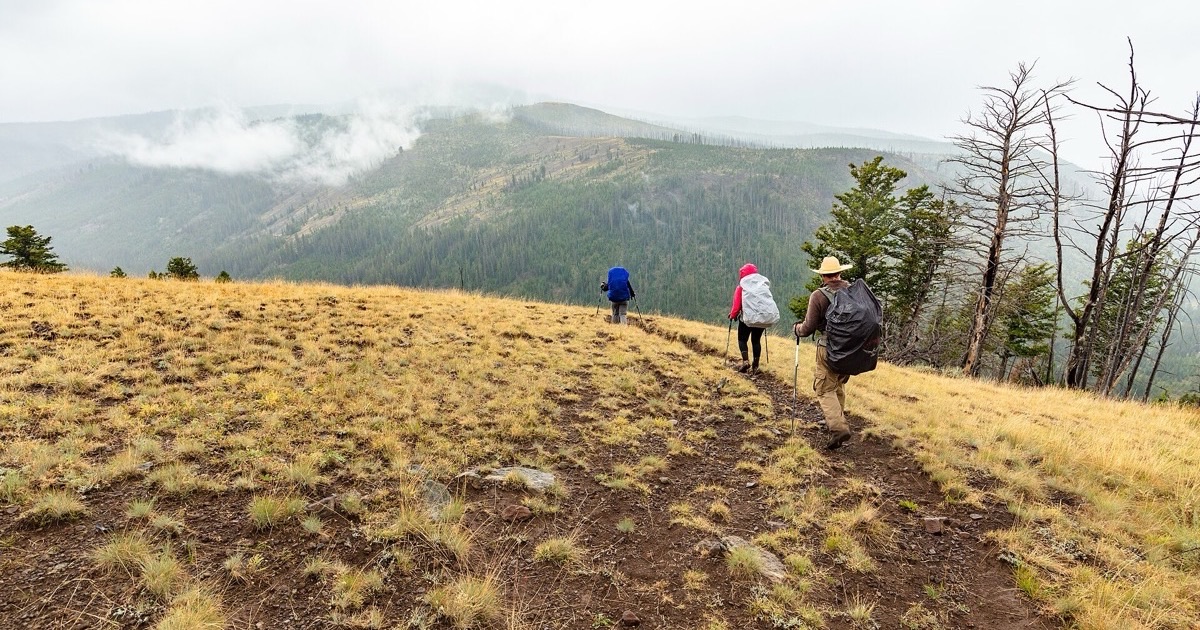
Elk often live in steep, high country, and bowhunting means getting close. That means hiking ridges, often off trail, with a bow, water, layers and sometimes days of gear. The pack-out after a kill is harder still.
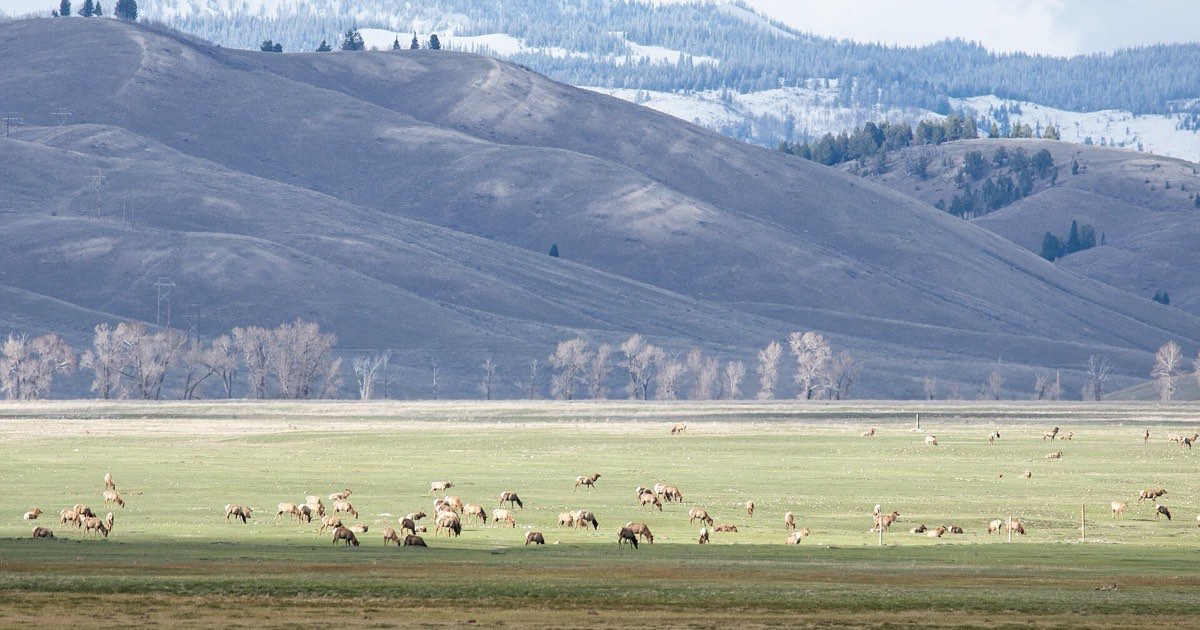
Altitude adds another layer. The CDC's Yellow Book says altitude illness is a risk for "any unacclimatized traveler proceeding to a sleeping altitude" of 8,000 ft (2,450 m) or more. Its advice is to ascend gradually: avoid going to a sleeping altitude of 9,000 ft (2,750 m) or higher in a single day, and above 3,000 m, raise your sleeping altitude by no more than 500 m a night.
Fitness doesn't protect you here. The CDC states that "training and physical fitness do not affect risk." Being fit eases the walking, not the altitude, so plan your arrival days around it.
A 12-week elk hunting workout outline
Outdoor Life's plan, by Aram von Benedikt, suggests "thirty to forty-five minutes per weekday, alternating between cardio and muscular workouts", with bodyweight-only sessions for the first four weeks and then a pack that gets heavier every couple of weeks. He also says: "Consult your doctor if you have any health issues or concerns that might prohibit strenuous activity."
Here is that progression, with our example sessions alongside:
| Weeks | Pack weight (Outdoor Life plan) | Example strength work | Shooting focus |
|---|---|---|---|
| 1–4 | None (bodyweight) | Step-ups, lunges, squats, planks | Form at known distances |
| 5–8 | 20 lb from week 5, 25 lb from week 7 | Add weight to step-ups and lunges | Stairs or a short hill, then shoot |
| 9–10 | 30 lb plus bow (week 9), 35 lb (week 10) | Hold strength; shorter sessions | Shoot after hill climbs, from kneeling |
| 11–12 | 40 lb (week 11) | Ease off before the trip | Full hunting kit, uneven ground |
Von Benedikt notes that 35 lb is roughly a three-day pack. Hike in your hunting boots and find hills or stairs, because descending works your legs differently from flat walking. Strength days don't need a gym. If you're older or notice "swelling or excessive pain", the plan says to "tone down the exercising."
Shoot-tired drills
A shot at elk may come when you're far from fresh, perhaps just after climbing towards a bugle. Practising under that stress is the archery-specific part.
Try these weekly from week 5:
- Climb, then shoot one arrow. Walk up a hill or stairs with your pack, then shoot one arrow at a known distance. Note where it lands.
- Shoot from awkward positions. Kneel, sit or shoot with uneven footing, the way terrain forces you to.
- Hold longer. Elk don't always step out on cue. Hold at full draw a few extra seconds, and let down if form breaks.
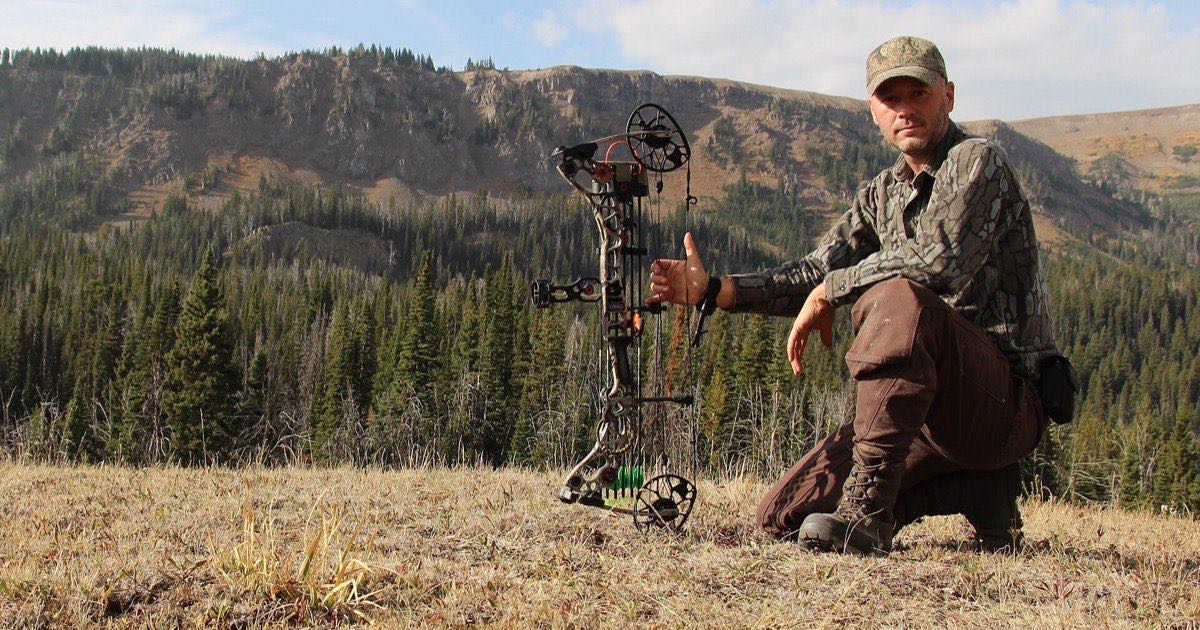
Keep your form checks the same as on the range, using our archery form steps. If your pin floats more when you're breathing hard, see how to keep your bow arm steady, and our archery practice plan has a weekly routine you can adapt.
Gear for training
You don't need special equipment. An old daypack loaded with water bottles works, and water is easy to pour out mid-session. If you want dedicated kit, you can browse hiking daypacks for weighted training or adjustable ankle weights on Amazon. Treat any product as an example to consider and check its weight limits.
Frequently asked questions
How long does it take to get in shape for elk hunting?
Outdoor Life's plan runs for 12 weeks, which gives time to build pack weight from nothing to about 40 lb without rushing. If you're starting from very low fitness, allow longer, start earlier to leave room for missed weeks, and get your doctor's advice first.
What should an elk hunting workout include?
Most plans combine three things: cardio such as hill walking or stairs, leg and core strength such as step-ups, lunges and planks, and progressively heavier pack hikes. For bowhunters, add shooting after exertion and from kneeling or sitting, because that's how many elk shots happen.
Does being fit prevent altitude sickness?
No. The CDC's Yellow Book says "training and physical fitness do not affect risk" of altitude illness. Fitness helps you hike, but the CDC's advice is to ascend gradually. Read its guidance before a high-elevation hunt and talk to your doctor if you have any concerns.
Related articles
 Training
How to Keep Your Bow Arm Steady
How to keep your bow arm steady in archery: why some float is normal, how to set the arm, draw weight, stabilizer mass and holding drills.
March 29, 2025 · 5 min read
 Training
Archery Practice Plan: 10 Drills and a Weekly Routine
A structured archery practice plan: arrows per session, warm-ups, 10 proven drills from blank bale to pressure games, weekly routines and a practice log.
March 20, 2025 · 7 min read
 Gear
Tracking Blood at Night: Lights, Tips and Mistakes
How to follow a blood trail for deer after dark: wait times, marking the trail, headlamp vs handheld, and what claims about green and blue lights rest on.
Updated October 6, 2026 · 4 min read