
Gold Tip Hunter XT Arrows Review: A Workhorse Hunting Shaft Explained
Research-based Gold Tip Hunter XT review: ±.003 in straightness, .246 in bore, spines 250 to 500, how to pick a spine for your compound, and who these.

By Archery Insider Editorial Team
· 4 min read
Research-based: built from maker specs and official sources, fact-checked before publishing. How we review products
In this article
The Gold Tip Hunter XT is one of the most common carbon arrows in North American bowhunting, and for an unglamorous reason: it is a standard-diameter shaft in a mid-grade straightness that fits almost every rest, insert and broadhead on the market. This review explains the published specifications and how to choose a spine for your compound bow.
The short version
The Hunter XT is a 100 percent carbon shaft with a straightness tolerance of ±0.003 inch and a 0.246-inch inside diameter (Gold Tip's standard ".246" class). It is offered in spines of 250, 300, 340, 400 and 500, sold as bare shafts or fletched, with Gold Tip's GT nocks and Accu-Lite inserts commonly supplied.
Compound bowhunters wanting a standard-diameter, mid-grade shaft
Gold Tip Hunter XT carbon arrows
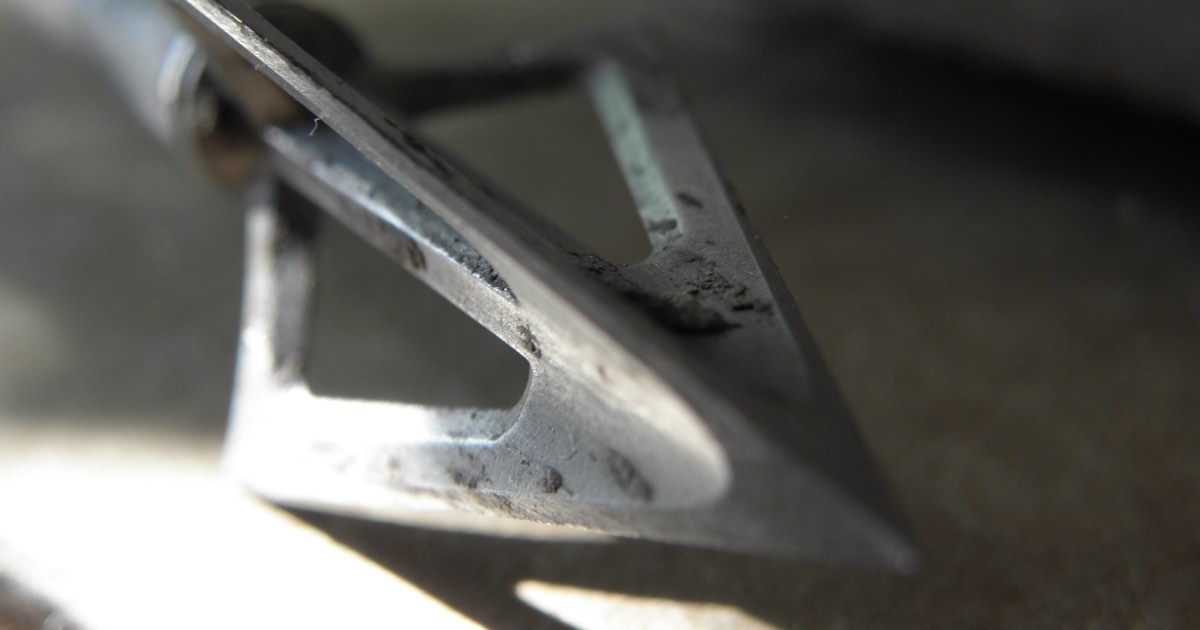
Gold Tip's mid-grade hunting shaft in the standard .246-inch inside-diameter class, built from the same carbon as the original Hunter with a tighter ±0.003 straightness tolerance.
- Material
- 100% carbon
- Straightness
- ±0.003 in
- Weight tolerance
- ±2 grains (manufacturer)
- Inside diameter
- 0.246 in (all spines)
- Spines
- 250, 300, 340, 400, 500
- Weight (GPI)
- approx. 8.9 (340), 8.2 (400), 7.3 (500), per retail listings
- Outside diameter
- approx. 0.300 in (340), 0.295 in (400), 0.291 in (500)
- Components
- GT nock and Accu-Lite insert typically supplied
Specifications: Gold Tip product page; per-spine GPI and diameters as listed by retailers (see Sources)
What the specifications mean
Straightness ±0.003 inch
Carbon arrows are sold in straightness grades: typically ±0.006 (entry), ±0.003 (mid) and ±0.001 (premium). The Hunter XT sits in the middle. For hunting distances, the difference between ±0.003 and ±0.001 is small compared with the effect of broadhead alignment and shooting form, which is why mid-grade shafts dominate hunting sales.
0.246-inch inside diameter
This is the standard carbon arrow bore. It means the widest choice of inserts, nocks, lighted nocks and field points, and compatibility with almost every rest. Micro-diameter shafts penetrate marginally better and drift less in wind but need their own components.
Spine 250 to 500
Spine is stiffness; a lower number is stiffer. The right spine depends on your draw weight, arrow length and point weight together. Gold Tip's spine selector is the authority, but as a general orientation for compound bows with a 100-grain point: 500 spine suits lighter draw weights and shorter arrows, 400 suits the mid range where most hunters sit, 340 suits heavier draw weights and longer arrows, and 300 and 250 are for the heaviest setups. Always confirm with the chart.
Weight per inch
At roughly 7.3 to 8.9 grains per inch across the common spines, a finished Hunter XT with a 100-grain point lands in the moderate total-weight range that most compound hunters target. If you want a heavier arrow for penetration, heavier inserts and points are the usual route rather than a different shaft.

Who the Hunter XT suits
- Compound bowhunters who want a reliable shaft that works with standard components.
- Archers moving up from aluminium or entry carbon who do not need premium straightness.
- Anyone who shoots 3D and hunts with the same arrows.
Who should look elsewhere
- Recurve beginners, whose spine and length needs are usually better met by aluminium shafts such as the Easton XX75 Jazz.
- Long-range or windy-country hunters who want a micro-diameter shaft.
- Target archers who want ±0.001 straightness.
Gold Tip Hunter XT
Advantages
- ±0.003 in straightness at a mid-grade position
- Standard .246 in bore fits the widest range of components
- Five spines cover light to very heavy compound setups
- Carbon does not bend; damaged shafts are obvious rather than subtly off
Trade-offs
- Not the straightest grade Gold Tip offers
- Standard diameter drifts more in wind than micro-diameter shafts
- Per-spine weights are not all listed on the manufacturer page
- Not suitable for very light bows or most recurve beginners
You can see current Gold Tip Hunter XT listings on Amazon. Check the spine number in the listing against the chart before buying.
Frequently asked questions
Hunter versus Hunter XT: what is the difference?
Both are Gold Tip .246-class hunting shafts. The XT is the tighter straightness grade (±0.003) of the two; the standard Hunter is Gold Tip's entry grade.
Do they come fletched?
Both bare shafts and fletched arrows are sold. Fletched sets are convenient; bare shafts let a shop cut and fletch to your exact needs.
What point weight should I use?
Most compound hunters use 100-grain points and broadheads with this shaft. Heavier points increase front-of-centre balance and penetration but effectively weaken the spine, so recheck the chart if you go heavier.
Related articles
 Reviews
Easton XX75 Jazz Arrows Review: The Beginner Aluminium Standard
Research-based Easton XX75 Jazz review: 7075 alloy, ±.005 in straightness, sizes 1214 to 2016, how to pick a size for your recurve, and when to move to carbon.
Updated August 6, 2025 · 4 min read
 Reviews
Diamond Infinite 305 Review: A Forgiving Adjustable Compound for Adults
Research-based Diamond Infinite 305 review: 19–31 in draw, 7–70 lb, 32 in axle-to-axle, 7.25 in brace height, who it suits and how it compares with rivals.
Updated August 8, 2025 · 4 min read
 Reviews
Morrell Yellow Jacket YJ-350 vs Block Classic 18: Which Backyard Target?
Morrell Yellow Jacket YJ-350 vs Block Classic 18: published specs, fused versus open-layer foam, sides, speed rating, arrow removal, and which target suits you.
April 24, 2025 · 4 min read